Saturday, November 11, 2023

Reflection Paper Examples

Reflection Paper Examples


Reflection Paper Examples

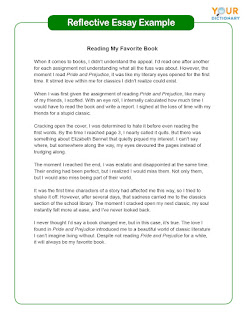
Reflective writing is an essential skill that allows individuals to gain insights and critical thinking abilities. It involves analyzing personal experiences, observations, or events and drawing meaningful conclusions from them. If you are new to reflection papers or seeking inspiration, here are a few examples to guide you through the process.

Example 1: Reflecting on a Book

Topic: The Power of Resilience

  1. Introduction: Begin by introducing the book, its author, and the main theme of resilience.
  2. Summary: Summarize the key events, characters, and lessons learned from the book.
  3. Personal Reflection: Share your thoughts and emotions evoked by the story. How did it relate to your own experiences?
  4. Conclusion: Reflect on the importance of resilience in overcoming challenges and how the book has influenced your perspective.

Example 2: Reflecting on an Internship

Topic: The Value of Hands-on Experience

  1. Introduction: Briefly describe the nature and objectives of your internship.
  2. Roles and Responsibilities: Outline the tasks you were assigned and their significance.
  3. Skills Development: Discuss the new skills or knowledge gained during the internship.
  4. Challenges Faced: Highlight the obstacles you encountered and how you overcame them.
  5. Personal Growth: Analyze how the internship contributed to your personal and professional development.
  6. Conclusion: Summarize the overall impact of the internship on your future goals and career aspirations.

Example 3: Reflecting on a Cultural Event

Topic: Embracing Diversity Through Art

  1. Introduction: Introduce the cultural event you attended, including its purpose and significance.
  2. Experience Description: Describe the artistic performances, exhibits, or presentations that stood out to you.
  3. Meaning and Impact: Reflect on how the event broadened your cultural understanding and challenged preconceptions.
  4. Interactions and Insights: Discuss any interactions you had with artists or attendees that influenced your perspective.
  5. Personal Connection: Relate the event to your personal background or broader societal issues.
  6. Conclusion: Summarize the importance of embracing diversity and how the cultural event has inspired you.

Remember, reflection papers are highly personal, so feel free to adapt these examples to suit your own experiences and writing style. Use them as a starting point to structure your thoughts and express your unique insights.

Happy reflecting!

Creative Writing Degrees: Unlocking the Path to Artistry and Storytelling

Creative Writing Degrees: Unlocking the Path to Artistry and Storytelling


Creative Writing Degrees: Unlocking the Path to Artistry and Storytelling

Are you passionate about literature and have a knack for crafting imaginative narratives? If so, pursuing a creative writing degree may be the ideal path to unleash your inner artist. Creative writing degrees provide budding writers with the necessary tools, skills, and knowledge to delve deep into the world of storytelling. Let's explore the wonders of creative writing degrees and understand why they can be a gateway to a successful career in the literary realm.

The Essence of Creative Writing Degrees

A creative writing degree equips individuals with the fundamental components of crafting engaging stories, developing memorable characters, and effectively conveying emotions through the written word. Whether you aspire to be a novelist, poet, screenwriter, or journalist, a creative writing degree can help you refine your creative abilities and find your unique voice. These programs nurture creativity, refine critical thinking skills, and employ various literary techniques, empowering students to master the art of storytelling.

Skills Acquired through Creative Writing Degrees

1. Writing Proficiency: Creative writing degrees foster strong writing skills, including grammar, punctuation, and syntax. Students learn to express their thoughts fluently and coherently, ensuring that their narrative flows naturally to captivate readers.

2. Creative Expression: These programs encourage aspiring writers to think outside the box, developing unique story ideas and exploring diverse literary genres. Students are taught to explore their imagination and push the boundaries of conventional storytelling.

3. Storytelling Techniques: Creative writing degrees impart crucial storytelling techniques such as plot development, character building, and dialogue construction. By studying different narrative structures, students gain a comprehensive understanding of storytelling techniques deployed by accomplished authors.

4. Constructive Criticism: Engaging in workshops and peer reviews helps creative writing students receive constructive feedback on their work. This process encourages growth, self-reflection, and an opportunity to refine their writing style.

5. Editing and Revision Skills: The art of editing is a significant facet of creative writing. Students learn how to self-edit, revise their work, and implement feedback, ensuring their writing reaches its full potential.

Opportunities for Creative Writing Graduates

The skills acquired through creative writing degrees open a plethora of career opportunities for graduates. Here are a few potential paths:

  1. Author: Graduates can embark on a journey to become published authors of novels, short stories, or poetry collections.
  2. Screenwriter: Creative writing degrees prepare students for careers in screenwriting, where they can contribute their storytelling skills to films and television shows.
  3. Journalist: The ability to communicate effectively through writing allows creative writing graduates to pursue careers in journalism, reporting on various topics and stories.
  4. Editor: With their refined editing skills, creative writing graduates can work as editors, polishing and perfecting manuscripts for publication.
  5. Copywriter: Graduates can apply their creative writing skills in advertising agencies or marketing departments, crafting compelling copy for brands and products.

Choosing the Right Creative Writing Program

When selecting a creative writing program, consider factors such as the faculty's expertise, curriculum flexibility, networking opportunities, and the program's reputation. It is also beneficial to browse through the program's alumni achievements and hear from current students to gauge the program's quality.

The literary world eagerly awaits aspiring writers who have honed their skills through creative writing degrees. With dedication, perseverance, and a passion for storytelling, these degrees can pave the way to a fulfilling and prosperous career for individuals driven by their artistic pursuits.

Pay Someone to Do My Essay - The Solution to Your Academic Struggles

Pay Someone to Do My Essay - The Solution to Your Academic Struggles


Pay Someone to Do My Essay - The Solution to Your Academic Struggles

Writing essays can be a challenging task for many students. Balancing multiple assignments, extracurricular activities, and personal commitments can leave little time for thorough research and crafting a well-written essay. As deadlines approach, the pressure to submit high-quality work increases, causing stress and anxiety among students.

If you find yourself in a situation where you are overwhelmed with academic workload, seeking assistance from a professional essay writing service can be a viable option. Paying someone to do your essay can provide several benefits that can help alleviate your academic struggles.

Expert Writers at Your Service

When you pay someone to do your essay, you gain access to a pool of expert writers with specialized knowledge in various subjects. These writers have extensive experience in academic writing and can deliver top-notch essays that meet your requirements. Whether you need a research paper, an argumentative essay, or any other type of academic assignment, professional writers can offer their expertise to ensure your essay is well-researched, well-structured, and written to a high standard.

Save Time and Reduce Stress

One of the primary advantages of outsourcing your essay is the time you save. Instead of spending hours researching, organizing thoughts, and writing, you can focus on other important tasks while an experienced writer takes care of your essay. This allows you to manage your time more effectively and reduces the stress associated with meeting tight deadlines.

Original and Plagiarism-Free Content

When you pay someone to write your essay, you can be assured of receiving original and plagiarism-free content. Professional essay writing services take plagiarism seriously, and they ensure that every essay is written from scratch. Additionally, they use reliable plagiarism detection tools to guarantee the authenticity of the content. This ensures that your essay is unique and free from any copied material.

Confidentiality and Privacy

Many students hesitate to seek external help due to concerns about their privacy. However, reputable essay writing services prioritize confidentiality and respect your privacy. They have strict policies in place to protect your personal information and ensure that your identity remains anonymous. Your collaboration with these services is kept confidential, allowing you to maintain your academic integrity.

Effective Communication and Revisions

Good essay writing services prioritize effective communication with their clients. They provide a platform for you to directly communicate with the assigned writer, allowing you to share your requirements, provide additional instructions, and ask for updates. Moreover, these services often offer revision options, enabling you to review and request changes to the final essay, ensuring it meets your expectations.

Conclusion

While some may argue against the idea of paying someone to do your essay, it can be a practical solution for many students facing academic challenges. The option to delegate your essay to a professional writer provides valuable benefits, including access to expert knowledge, time saving, original content, confidentiality, and effective communication. By choosing a reputable essay writing service, you can alleviate your academic struggles and achieve the grades you desire.

Remember, seeking assistance is not about evading your responsibilities, but rather an opportunity to make the most of your academic journey.

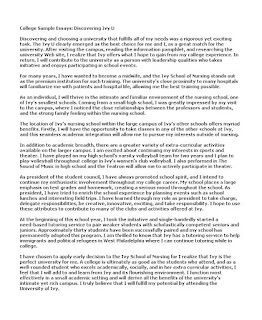
Best Common App Essays - Unveiling the Art of Personal Statements

Best Common App Essays - Unveiling the Art of Personal Statements


Best Common App Essays - Unveiling the Art of Personal Statements

The Common Application, colloquially known as Common App, is an online platform that is widely used by students applying to colleges and universities in the United States. One of the crucial components of the Common App is the personal statement, often referred to as the essay. This essay allows students to showcase their unique qualities, experiences, and aspirations to admissions officers.

Importance of Common App Essays

The Common App essay holds significant weightage in the college admissions process. It provides an opportunity for students to stand out among the pool of applicants with similar academic credentials. This essay allows them to present themselves as more than just a set of grades and test scores, conveying their personality, perspective, and potential impact on the campus community.

Admissions officers consider the Common App essay as a reflection of the applicant's thought process, writing skills, and ability to express themselves effectively. It provides them with insights into an applicant's mindset, revealing their values, passions, and goals. Therefore, crafting an exceptional Common App essay can greatly enhance one's chances of gaining admission into their desired institution.

Features of a Compelling Common App Essay

While there is no 'one-size-fits-all' formula for writing the perfect Common App essay, there are certain features that can make it more compelling:

  1. Authenticity: The essay should reflect the applicant's genuine voice, focusing on their personal experiences and feelings.
  2. Clarity: A well-structured essay with a clear narrative and logical flow will engage the reader and make your message more impactful.
  3. Vivid Details: Including specific examples, anecdotes, and sensory details can bring your essay to life and make it memorable.
  4. Self-Reflection: Demonstrating introspection and personal growth highlights your ability to learn from experiences.
  5. Connection to Larger Themes: Connecting your personal story to broader societal, cultural, or academic issues can showcase your intellectual curiosity and depth of thinking.

Inspiration from Outstanding Common App Essays

An excellent way to understand the qualities of a remarkable Common App essay is to read examples of successful essays. Here are a few essay prompts that garnered attention:

  • A Life-Changing Journey: Write about a significant travel experience that transformed your perspective on the world.
  • An Unexpected Passion: Delve into a hobby or interest that initially seemed insignificant but grew to become an essential part of your identity.
  • Overcoming Adversity: Share a deeply personal challenge or setback and the lessons you learned from navigating through it.
  • A Moment of Revelation: Describe an instance where you gained a new understanding of yourself or the world around you.
  • A Cultural Exchange: Reflect on an interaction with someone from a different cultural background that broadened your perspectives.

Reading these exceptional essays can help you grasp various approaches, writing styles, and storytelling techniques that can make your own Common App essay exceptional.

Conclusion

The Common App essay provides a valuable opportunity for students to showcase their unique qualities and experiences to college admissions officers. Crafting a compelling essay requires authenticity, clarity, vivid details, self-reflection, and connections to larger themes. By reading outstanding examples, students can gain inspiration and insight to write their own exceptional Common App essay.

Checking Your Essay for Plagiarism

Checking Your Essay for Plagiarism


Checking Your Essay for Plagiarism

Plagiarism is a serious academic offense that can have severe consequences on your educational journey. Whether you are a student or a professional writer, it is crucial to ensure the originality and authenticity of your work. Fortunately, there are various tools and techniques available to help you check your essay for plagiarism, safeguarding your reputation and maintaining the integrity of your writing.

Manual Comparison

One method to detect potential plagiarism is through manual comparison. This involves reading your essay thoroughly and analyzing the content for any similarities with existing works. Look for unusual phrasing, inconsistent writing styles, or sudden shifts in tone that could indicate borrowed material.

Additionally, compare your references and citations to the sources cited in your essay. Make sure that you have properly credited all the external materials and that they are appropriately paraphrased or quoted.

Plagiarism Detection Tools

While manual comparison can be effective, it can also be time-consuming and may not catch all instances of plagiarism. In the digital age, numerous online plagiarism detection tools are available, which can significantly simplify the process.

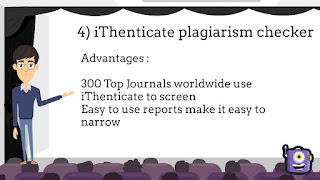
Some commonly used plagiarism checking tools include Grammarly, Turnitin, Copyscape, and SmallSEOTools. These tools allow you to upload your essay and analyze it against a vast database of existing content, both online and offline. The software generates an extensive report highlighting any potential instances of plagiarism, allowing you to make the necessary corrections or citations.

While these tools are helpful, it is important to understand their limitations. They can only detect verbatim matches or texts that have been copied with minimal alterations. Paraphrased content, unless it closely resembles existing works, may not always be flagged as plagiarized.

Develop Good Writing Habits

Prevention is always better than cure. To avoid unintentional plagiarism, it is essential to cultivate good writing habits. Start by organizing your research and jotting down key points from different sources. Ensure you understand the material before writing to minimize the chances of incorporating someone else's work without proper acknowledgment.

Whenever you use external sources, make a note of the author, title, publication, and page numbers to ensure accurate citations. Use quotation marks for direct quotes and paraphrase the content into your own words while maintaining the original meaning. Remember to include proper in-text citations and compile a comprehensive bibliography or reference list.

Final Thoughts

Checking your essay for plagiarism is an essential step in maintaining academic integrity and demonstrating your credibility as a writer. By utilizing manual comparison methods, plagiarism detection tools, and cultivating good writing habits, you can safeguard your work from unintentional plagiarism.

Remember, the aim is not only to avoid plagiarism but also to honor the intellectual property rights of others and contribute to original research and writing. By respecting academic ethics, you will enhance your own skills, knowledge, and reputation in the academic or professional arena.

Sketch Comedy Writing: Crafting Laughter with Creativity

Sketch Comedy Writing: Crafting Laughter with Creativity


Sketch Comedy Writing: Crafting Laughter with Creativity

Sketch comedy has been a popular form of entertainment for decades, bringing laughter to audiences across the globe. From iconic television shows like "Saturday Night Live" to online platforms like YouTube, sketch comedy continues to engage viewers with its clever wit and quick humor. But behind every hilarious skit lies a skilled and creative writer, meticulously crafting the script to ensure maximum laughter.

The Art of Sketch Comedy Writing

Writing sketch comedy is both an art and a science. It requires a unique set of skills to captivate the audience within a limited timeframe and deliver punchlines that leave them in stitches. Whether it's a satirical take on current events, a parody of popular culture, or an absurd scenario, the key lies in creating relatable characters and weaving together comedic elements.

A sketch comedy writer needs to have a deep understanding of comedic timing, wordplay, and comedic devices such as puns, irony, and slapstick. They must be attuned to what makes people laugh and how to elicit that response through their writing. It involves a keen observation of human behavior and an ability to find humor in ordinary situations.

Generating Ideas

Coming up with fresh and original ideas is a crucial part of sketch comedy writing. Whether you're writing for a television show or performing live on stage, the premise of your sketch needs to be engaging and captivating. It should offer a unique perspective or a surprising twist that hooks the audience from the start.

Brainstorming sessions, collaborations with other writers, and drawing inspiration from real-life situations are all common methods used to generate ideas. Keeping up with current events, pop culture trends, and societal issues also helps in creating sketches that resonate with the audience.

Structuring the Sketch

Once an idea has been generated, the next step is the structure of the sketch. Typically, a sketch follows a three-act structure: the setup, the escalation, and the punchline. The setup introduces the characters and the premise, setting the stage for the humor to unfold. The escalation builds upon the initial scenario, introducing complications and heightening the comedic tension. Finally, the punchline delivers the big laugh, resolving the conflict and leaving a lasting impression.

Clarity and conciseness are key when it comes to sketch comedy writing. Since sketches are shorter in nature, it's essential to cut out any unnecessary elements and focus on delivering the laughs. Every line and action should serve a purpose and contribute to the comedic flow.

Creative Collaboration

Sketch comedy writing often involves a team of writers who work together to refine and enhance the material. Collaborative brainstorming sessions, feedback loops, and constructive criticism help polish the sketches and refine the humor. It's important to have a diverse group of writers with different perspectives and comedic styles, ensuring a well-rounded and balanced final product.

Furthermore, the writer should also consider the performers who will bring their sketches to life. Understanding the strengths and comedic timing of the actors can greatly enhance the writing process, allowing for tailor-made jokes and situations that play to their strengths.

Conclusion

Sketch comedy writing is a challenging yet rewarding endeavor that requires a combination of creativity, wit, and a deep understanding of comedic principles. Crafting hilarious and memorable sketches involves generating fresh ideas, structuring them effectively, and collaborating with a talented team. So, the next time you burst into uncontrollable laughter while watching a sketch comedy show, remember the writers who worked meticulously behind the scenes to create those moments of comedic brilliance.

Good Essay Examples: Learning from Exceptional Writing

Good Essay Examples: Learning from Exceptional Writing


Good Essay Examples: Learning from Exceptional Writing

Writing an essay can be a daunting task, especially if you are unsure of the proper structure, style, or content. However, studying good essay examples can provide valuable insights and enhance your own writing skills.

Why Are Good Essay Examples Important?

Good essay examples serve as a source of inspiration and guidance. They demonstrate the effective use of language, organization, and critical thinking. By examining well-written essays, you can understand how to structure your ideas, develop a strong thesis statement, and present supporting evidence.

Moreover, good essay examples illustrate various writing styles, such as analytical, persuasive, or descriptive, allowing you to familiarize yourself with different approaches. You can analyze the elements that make these essays successful, like the use of eloquent language, logical reasoning, or engaging introductions and conclusions.

Where to Find Good Essay Examples?

There are numerous resources available online and offline that provide access to a wide range of good essay examples. Here are a few suggestions:

  1. Online Writing Platforms: Websites like www.exampleessays.com or www.essaypro.com provide essay samples on various subjects and disciplines. These platforms usually categorize essays based on topics, allowing you to explore essays related to your subject of interest.
  2. University Databases: Many universities archive exceptional essays written by their students. These databases are accessible to the public and offer comprehensive examples of high-quality writing.
  3. Essay Writing Books: Books focused on academic writing often include essay examples to illustrate the principles discussed in the text. You can check local libraries or bookstores for renowned titles in this genre.

How to Utilize Good Essay Examples?

When studying good essay examples, it's important to approach them with a critical eye. Consider the following steps to fully benefit from the examples you come across:

  1. Analyze the Structure: Pay attention to how the essay is organized. Take note of the introduction, body paragraphs, and conclusion. Identify the main arguments and observe how they are logically presented.
  2. Study the Language and Style: Pay close attention to the language used in the essay. Observe descriptive phrases, powerful vocabulary, and persuasive techniques. Note the tone and style of writing and its impact on the overall message.
  3. Examine the Supporting Evidence: Look for the evidence and examples provided to support the essay's arguments. Analyze their relevance and effectiveness in reinforcing the main points.
  4. Consider the Thesis Statement: Evaluate how the thesis statement is crafted and how it guides the essay's development. An effective thesis statement should be clear, concise, and arguable.
  5. Learn from Mistakes: Not all good essay examples are flawless. Identify any weaknesses or areas for improvement. By understanding the mistakes made by others, you can enhance your own writing abilities.

Conclusion

Good essay examples are invaluable resources for any aspiring writer. They offer inspiration, guidance, and an opportunity to learn from exceptional writing. By studying these examples, you can improve your own essay writing skills, develop a distinct style, and convey your ideas effectively. Remember to approach essay examples critically and use them as a tool for enhancing your writing abilities.

Admission Essay Custom Writers MBA

Admission Essay Custom Writers MBA When it comes to pursuing an MBA, the admission essay plays a crucial role in determining whether or...

Followers